AI facility operations

AI-Powered Facility Management Software

Add AI to maintenance, asset monitoring, space planning, energy analysis, and facility reporting. Use operational and sensor data to surface risks, prioritize exceptions, and support better facility decisions.

AI Works Best on Connected Facility Data

Booking Ninjas connects maintenance, assets, infrastructure, space, inspections, and facility reporting. AI can then help surface anomalies, summarize history, forecast patterns, or prioritize work when the required data is available.

Sensors, IoT platforms, BMS, energy systems, and other facility technology can remain external and connect when supported. See how IoT and AI work together in property operations.

Use AI to Spot Maintenance Risk Earlier

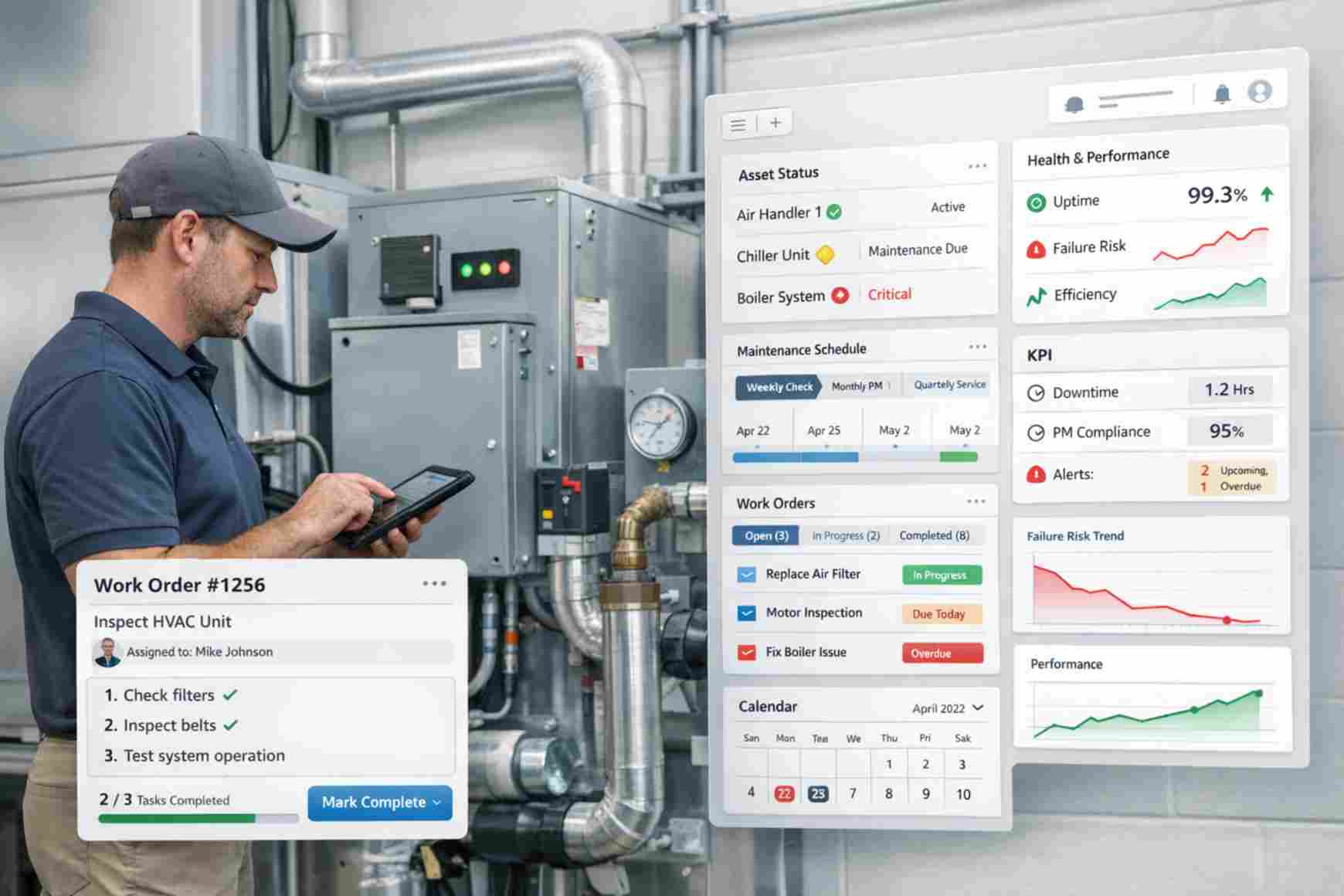
Use asset condition, usage, maintenance history, and connected sensor data to surface early warning signals and prioritize maintenance. Predictive results depend on the quality, coverage, and history of the available data. See how AI can support maintenance and repair workflows.

Maintenance Dashboard

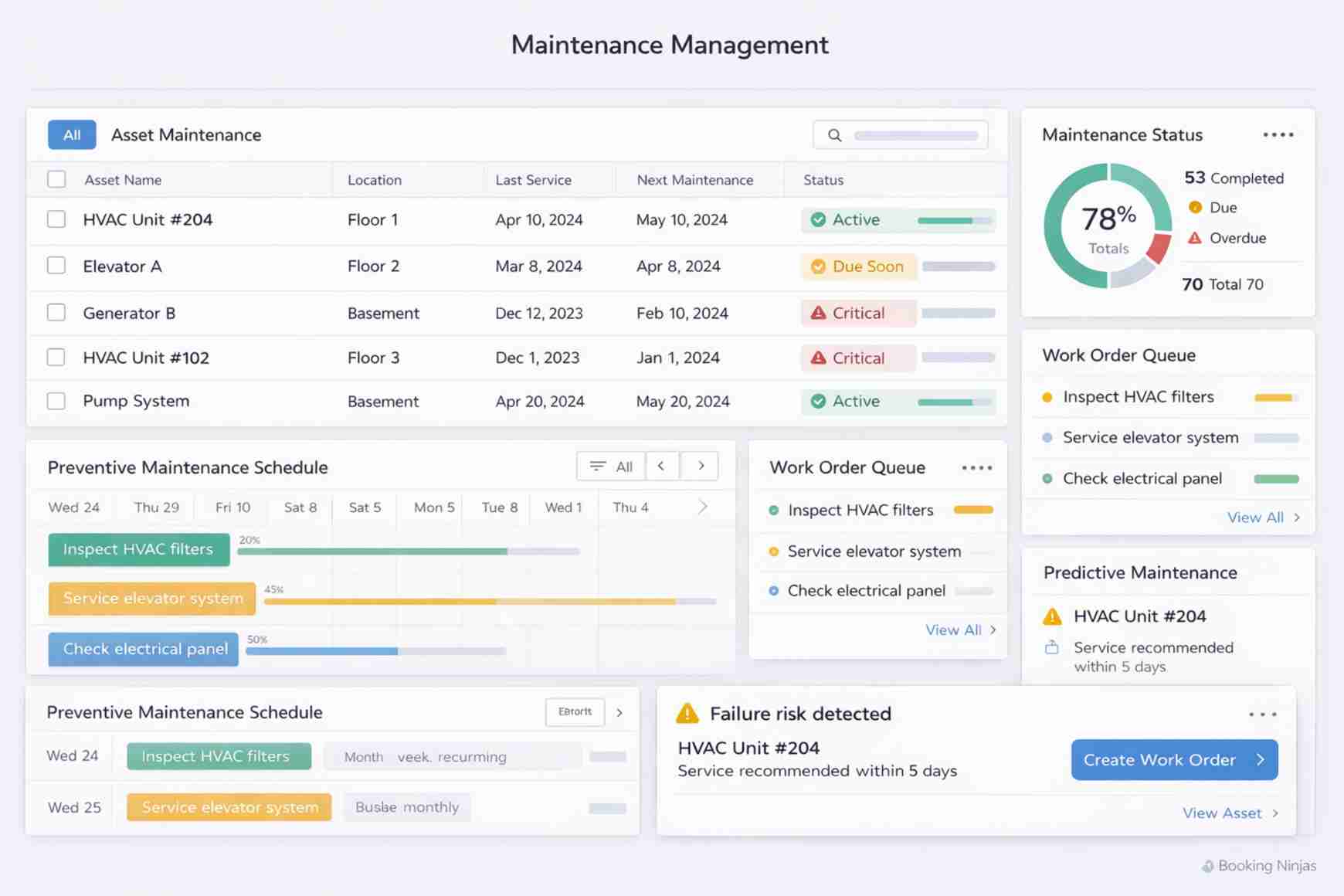
Maintenance Management

Use condition, usage, and service history to help prioritize work orders and plan maintenance before issues become more disruptive.

Learn More
Asset Monitoring

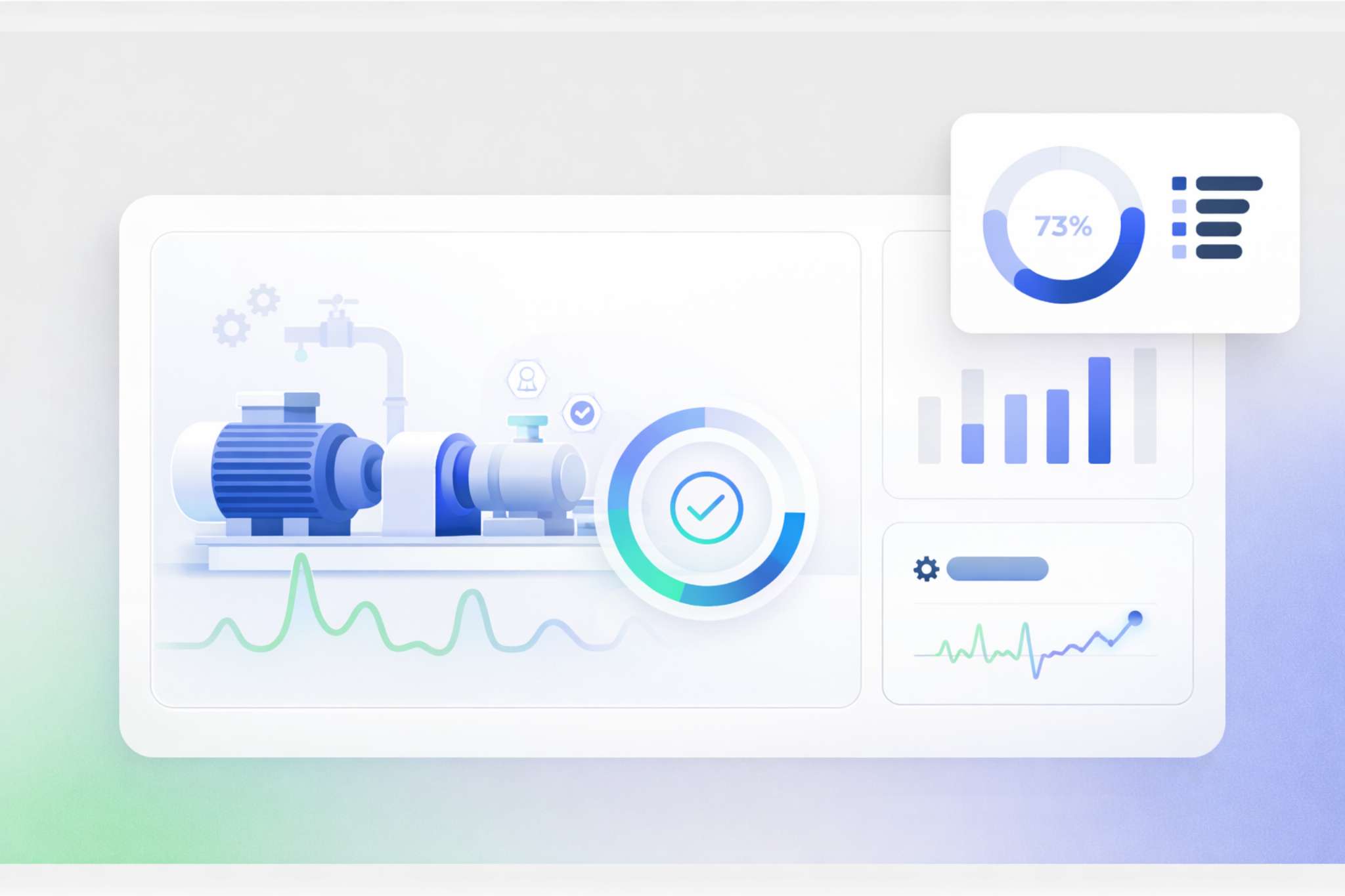
Asset Condition Monitoring

Track asset condition and connected data signals, then use AI to flag unusual patterns for review.

Learn More
Asset Risk Management

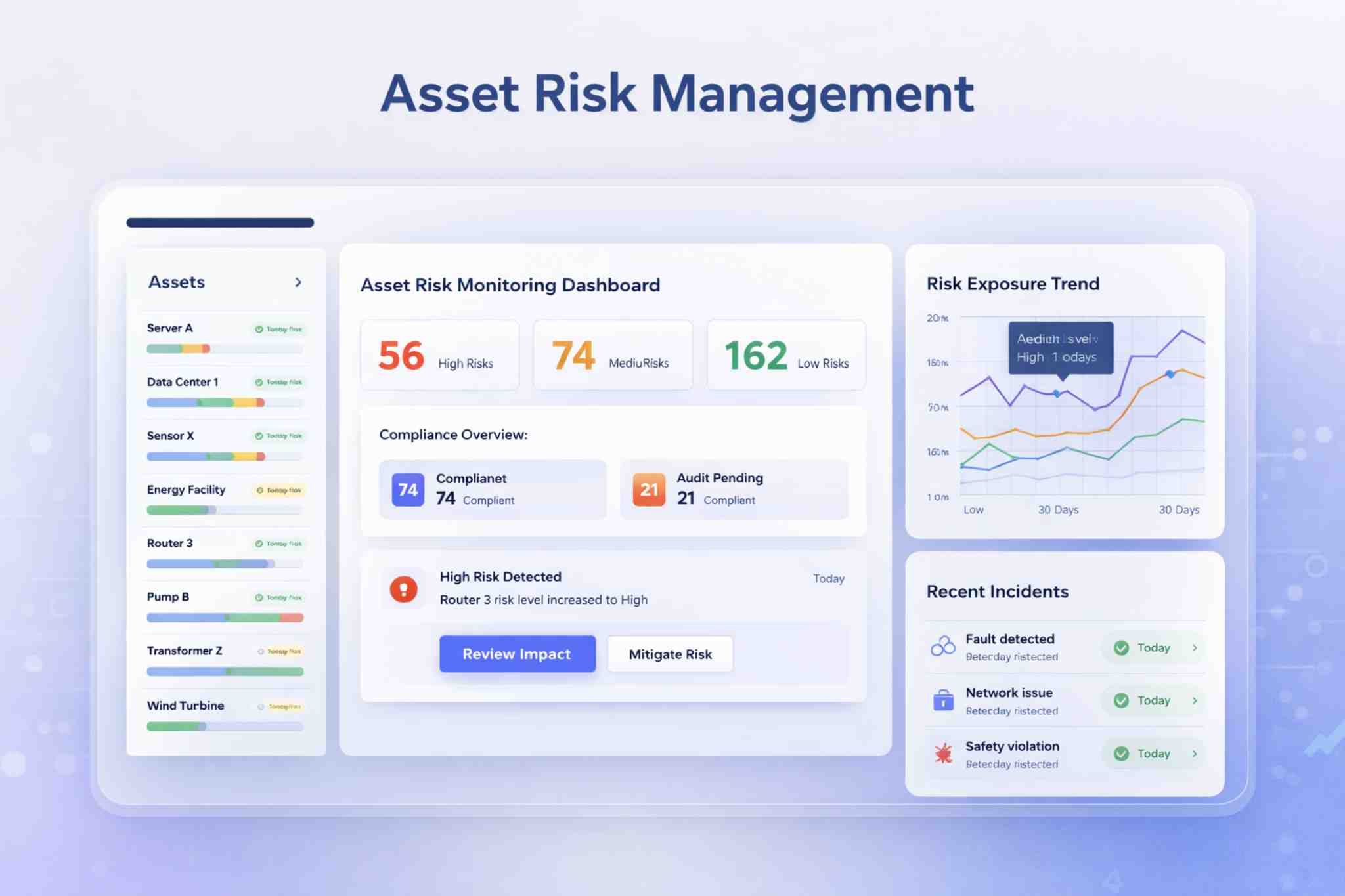
Asset Risk Management

Use asset history, condition, and operational importance to support risk-based maintenance prioritization.

Learn More

Infrastructure Management

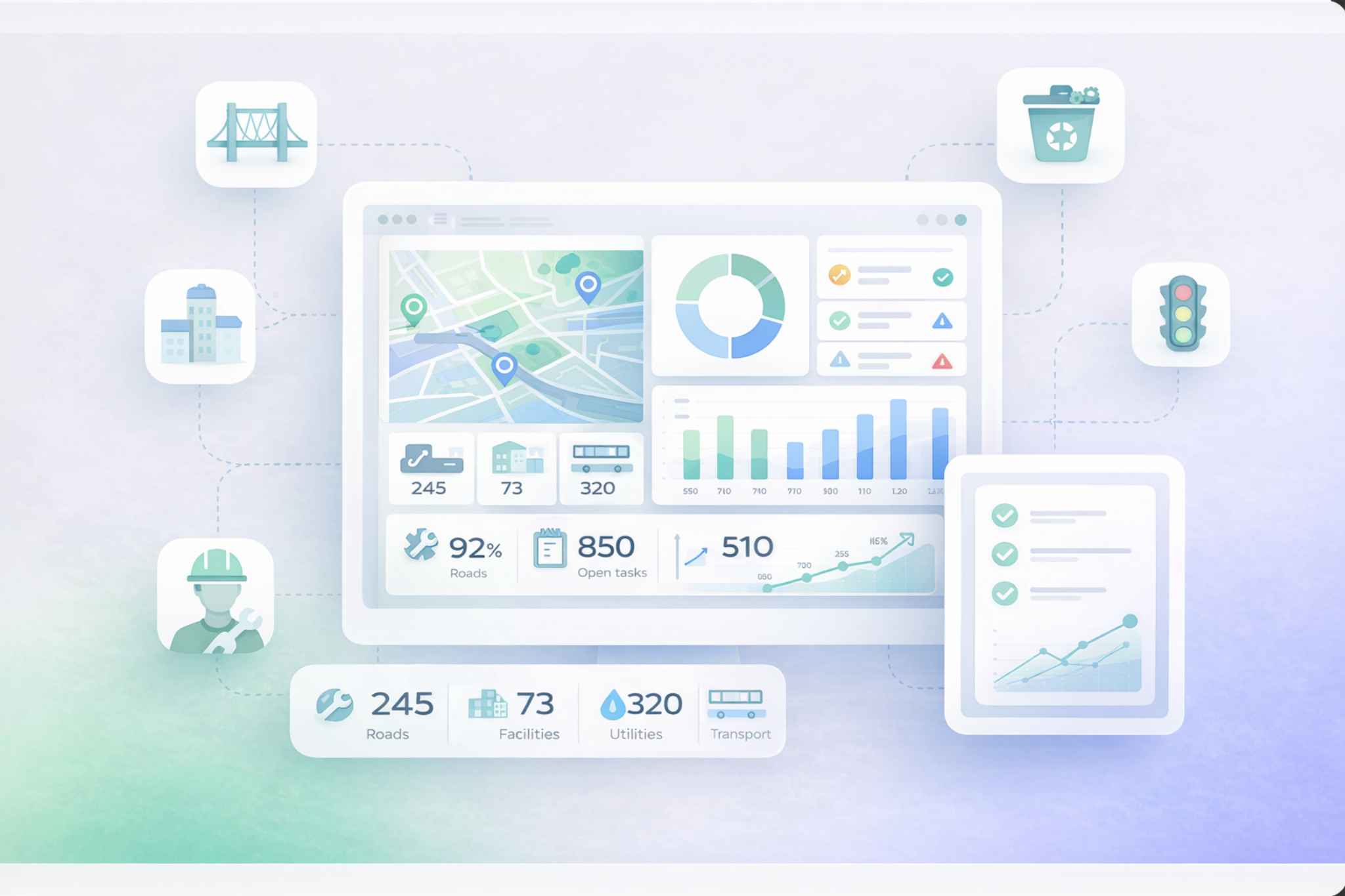
Use centralized records and connected monitoring data to surface anomalies, maintenance needs, and infrastructure trends across locations.

Facility Compliance

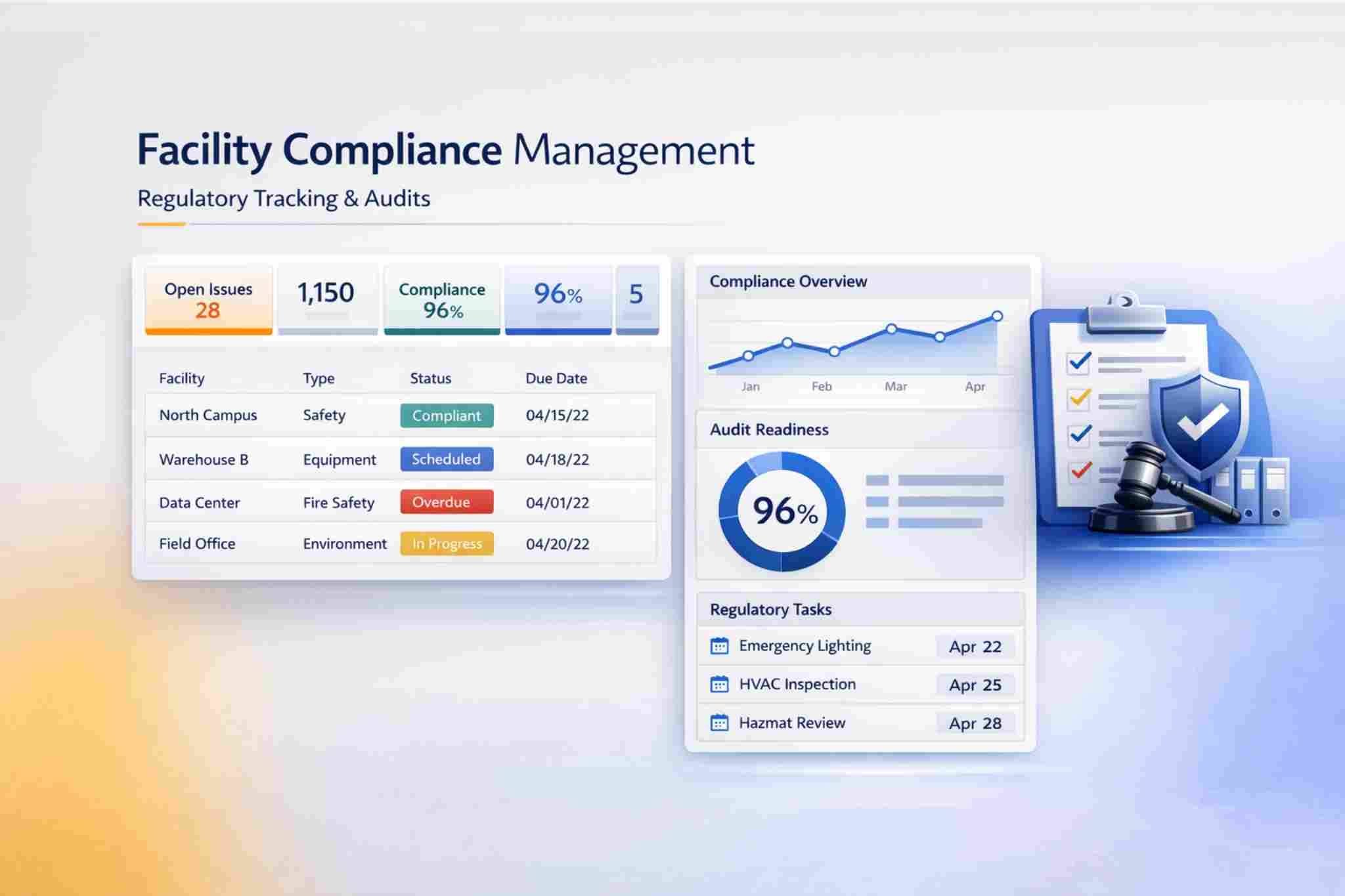
Use structured inspections, records, and rules to support compliance review. AI can help flag missing, unusual, or higher-risk items but does not replace compliance responsibility.

Facility Safety Inspection

Use inspection history, incidents, asset condition, and facility data to help prioritize safety review and follow-up.

AI-Assisted Space Planning

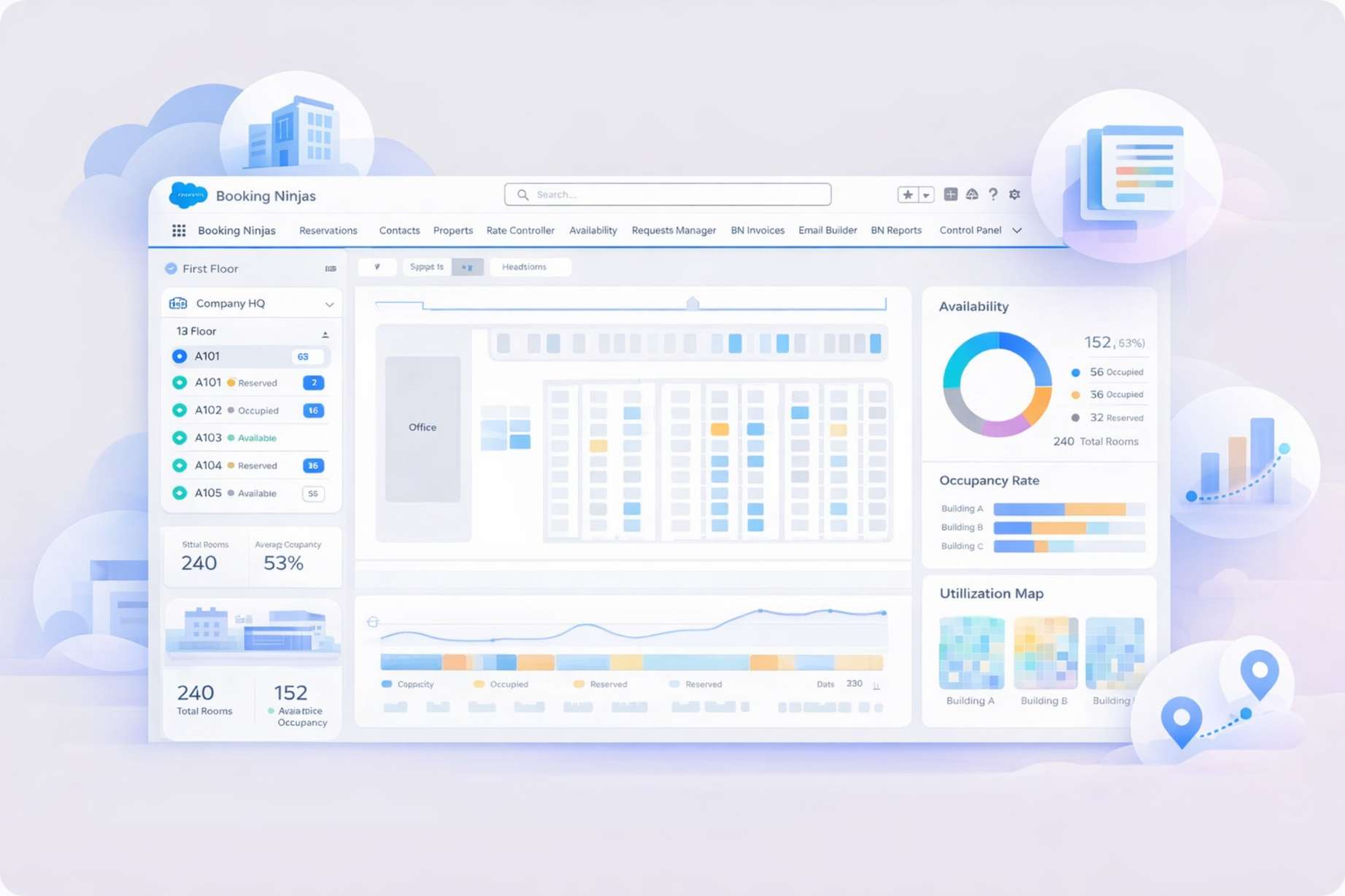
Use occupancy and utilization data to understand how space is being used, identify underused areas, and support future capacity planning.

AI Space Planning

Plan Space From Real Usage Data

Bring occupancy, utilization, booking, and space records together to see where capacity is underused or constrained.

AI can help summarize patterns and support demand forecasts when enough reliable history is available. Final layout and capacity decisions remain with the operating team.

AI-driven capabilities include:

  • Occupancy trend analysis to identify underused or overutilized spaces
  • Layout optimization to maximize capacity without expanding footprint
  • Predictive space planning based on growth, demand, and usage patterns
  • Portfolio-wide visibility to align space strategy across locations

Use the same space records for day-to-day operations, reporting, and future planning instead of maintaining separate planning spreadsheets.

AI-Assisted Energy & Sustainability Analysis

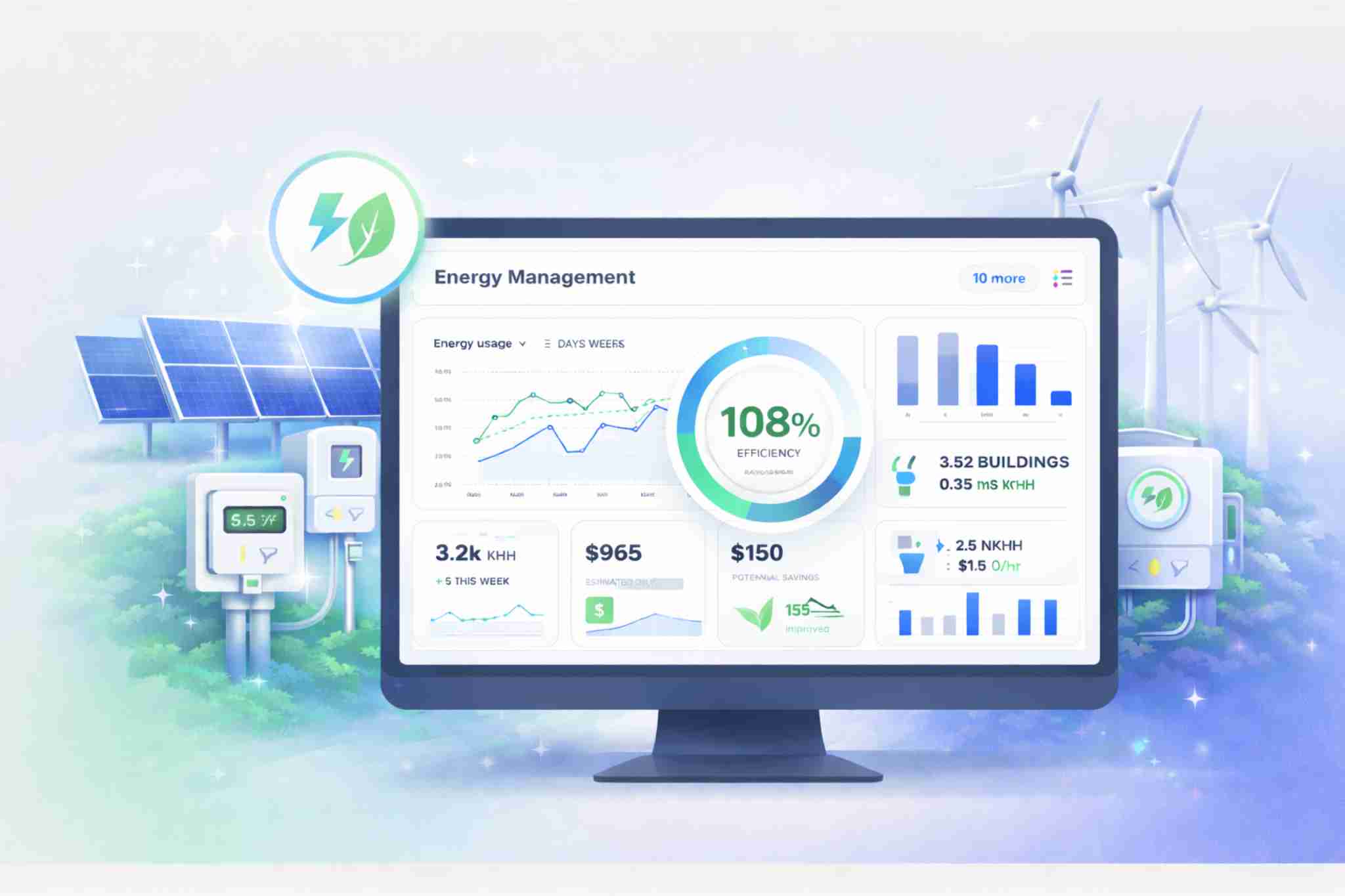
Use connected energy, occupancy, asset, and operating data to identify unusual consumption patterns and support efficiency planning. Automatic building adjustments require compatible external controls and separately configured integrations.

Energy Efficiency

Monitor energy-use patterns, flag unusual consumption, and connect findings to facility operations. Automated control depends on the connected building systems and scope.

Learn More

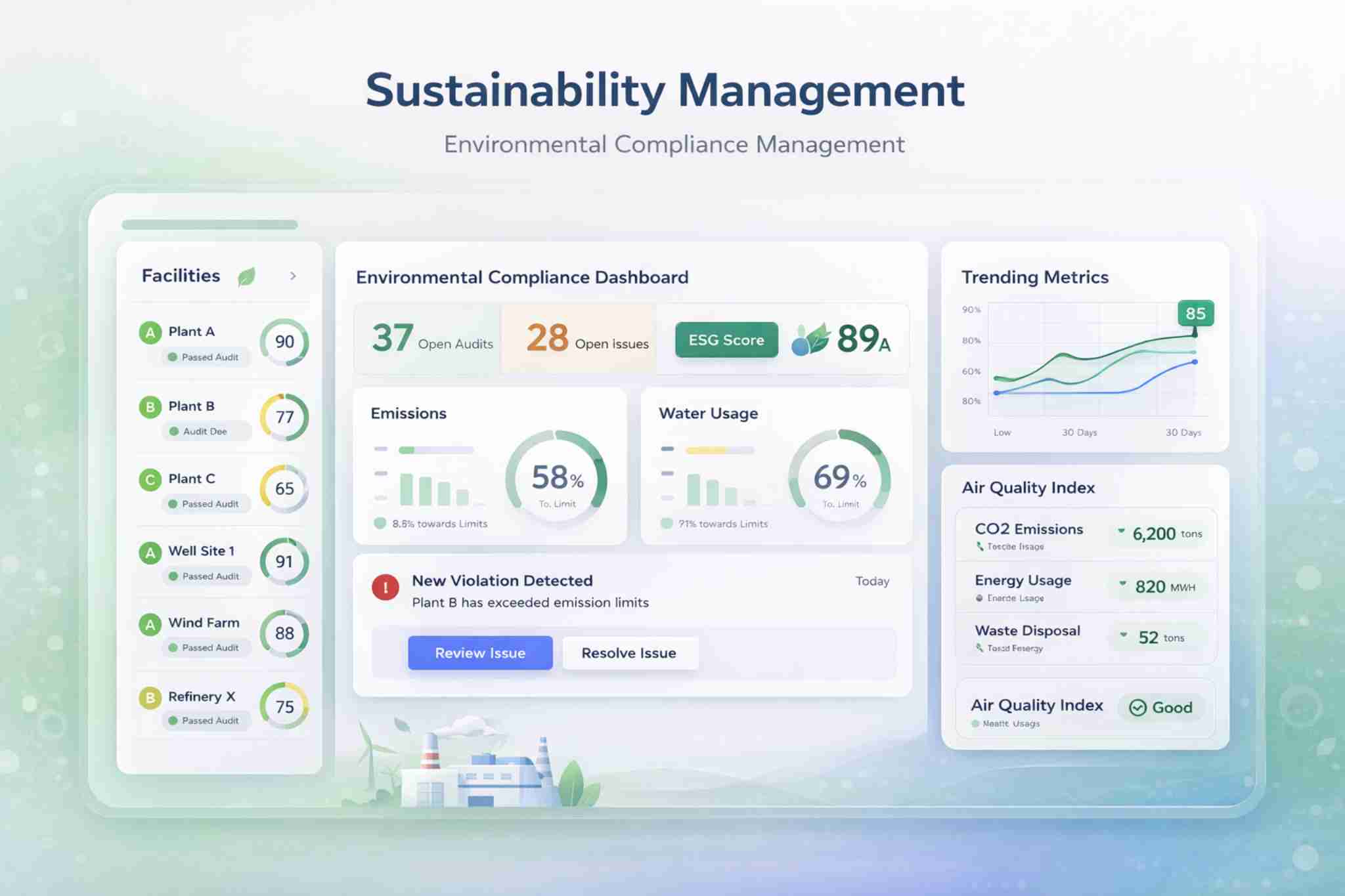
Sustainability Management

Track energy, efficiency, and sustainability metrics in one reporting environment and use AI to summarize trends or exceptions where configured.

Learn More

Connected Facility & Building Intelligence

Connect facility records, assets, maintenance, infrastructure, space, and energy data in one operating environment. Add AI where it helps teams summarize activity, find anomalies, or prioritize work.

Centralized Facility Intelligence

Keep facility, asset, maintenance, and infrastructure records connected across locations.

Reduced Operational Risk

Use condition and service data to surface risk signals and help teams prioritize higher-impact facility issues.

Lower Maintenance & Energy & Space Insight

Use maintenance and energy data to find recurring inefficiencies and support better operating decisions.

Extended Better Asset Planning & Performance

Use lifecycle records, condition monitoring, and performance trends to support asset planning and replacement decisions.

AI is most useful when it works from reliable facility data and stays connected to the workflows where teams already manage assets, maintenance, and operations.

AI Across the Facility Workflow

Use one connected facility data model, then add AI to the workflows that benefit from anomaly detection, summarization, forecasting, or prioritization.

icon

AI Predictive Maintenance

Use asset condition and service history to surface early warning signals and support maintenance planning.

icon

AI Asset & Infrastructure Management

Connect lifecycle, condition, and infrastructure records across locations for better risk and capital-planning context.

icon

AI Space & Energy Optimization

Use occupancy and energy data to identify inefficient patterns and support space, efficiency, and sustainability decisions.

icon

AI Building Management Platform

Connect facility data, workflows, reporting, and external systems in one operating environment.

Start with the facility workflows you already manage, then add AI and integrations where the data and operating case justify them.

Where AI Can Reduce Facility Work

Use AI where it reduces repetitive facility review: finding unusual conditions, prioritizing maintenance, summarizing inspection history, or supporting planning.

Use AI Where the Facility Data Supports It

Start with reliable records and clear operating rules, then add AI to the workflows where it can provide useful signals or summaries.

01

Earlier Maintenance Signals

Use condition and maintenance data to surface assets that may need attention sooner.

02

Asset Lifespan

Use lifecycle, condition, and service history to support maintenance and replacement planning.

03

Energy Costs

Surface unusual energy or utilization patterns and support efficiency review.

04

Connected Facility Context

Keep facility, maintenance, asset, infrastructure, and reporting records connected.

AI should support facility teams with better context and earlier signals—not remove the controls, inspections, approvals, or human judgment required to operate safely.

AI add-on

AI Facility Management Pricing

Add AI to your current Booking Ninjas plan. Pricing depends on the facility use case, data sources, asset volume, integrations, monitoring needs, and AI usage.

Advanced predictive scope

Advanced Facility AI

Pricing Custom after review

Used when the AI depends on larger sensor datasets, predictive models, safety-sensitive actions, or connected building-control systems.

  • Predictive maintenance models
  • IoT / BMS / sensor data integration
  • Energy and space forecasting
  • Safety, compliance, or automated control workflows
One-time implementation fee Required — discussed based on scope

We review data readiness, assets, integrations, sensors, permissions, models, workflows, testing, governance, and launch requirements before confirming implementation.

Learn why?

IoT devices, BMS platforms, sensor hardware, energy systems, third-party AI services, Salesforce products, custom integrations, data migration, and separately scoped development are not implied as included.

How Booking Ninjas Adds AI to Facility Operations

Compare traditional facility software, Booking Ninjas with an AI layer, and a standalone AI tool.

Capability Traditional Facility Software Standalone AI Tool
Facility data Usually system-specific Connected facility records + AI context Must be connected to source data
Maintenance & work orders Rules, schedules & alerts Workflow automation + AI prioritization Requires workflow integration
AI insights Limited or separate Added to approved facility workflows Strong AI, context depends on integrations
IoT / BMS connectivity Vendor-dependent Supported systems can be connected Requires external integration
Safety & compliance Rules, inspections & records Controls remain; AI assists review Must be designed separately
Human control Rule-driven approvals Permissions, approvals & review stay in process Depends on configuration
Expansion Add modules or integrations Add AI use cases to the same foundation Depends on external architecture

Frequently Asked Questions

What is AI predictive maintenance?

AI predictive maintenance uses historical and current asset data to identify patterns that may indicate higher maintenance risk. The quality of the prediction depends on the available condition, usage, sensor, and service-history data.

How does AI asset tracking improve facility management?

Asset tracking can combine location, usage, condition, and maintenance records. AI can then help summarize patterns or flag unusual activity when the required data is available.

Can AI optimize energy consumption?

AI can analyze energy-use patterns, highlight unusual consumption, and support forecasting. Automatic adjustments require compatible building controls, integration access, and separately configured automation.

What data does AI facility management need?

Useful facility AI depends on structured maintenance, asset, inspection, occupancy, energy, or sensor data. The exact data requirement depends on the use case being implemented.

How does AI support infrastructure management?

AI can use infrastructure condition, maintenance, incident, and performance records to help identify patterns and prioritize review. It does not replace engineering or safety judgment.

Is AI building management software customizable?

Yes. AI workflows can be configured around approved data, thresholds, permissions, alerts, and review steps. Scope depends on the facility systems and operating rules that need to be connected.

Is this a standalone system?

No. The AI layer works with Booking Ninjas facility, maintenance, asset, space, and reporting workflows. External BMS, IoT, sensor, energy, or other facility systems can remain part of the operating stack and connect when supported.

How much does AI facility management cost?

Facility AI Insights starts from $1,000 per month on top of the current Booking Ninjas plan. Larger predictive, IoT, BMS, safety, or control use cases are reviewed and priced based on scope and data requirements.

Does AI facility management require sensors or a BMS?

Not every use case does. AI can work from Booking Ninjas maintenance, asset, inspection, occupancy, and facility records. Predictive condition monitoring, energy automation, or building-control use cases may require connected sensors, IoT platforms, or a BMS.

Start With One Facility AI Use Case

Choose the maintenance, asset, space, energy, or facility workflow where better signals would reduce the most manual review. Then scope the data, integrations, controls, and AI layer around it.

WhatsApp Us

WhatsApp Us